
Blogs

enterprise data quality explained the framework for trusted analytics and ai

Enterprise Data Quality Explained: The Framework for Trusted Analytics and AI

Data quality is the measure of whether an organisation’s data is fit for the purposes the business uses it for. That definition sounds abstract until it becomes concrete: two dashboards showing different revenue figures for the same quarter, an AI model producing recommendations based on stale customer records, a compliance report that fails audit because […]

Enterprise Data Quality Explained: The Framework for Trusted Analytics and AI Read More »

enterprise master data management

Enterprise Master Data Management: Building Golden Records for AI, Analytics, and Operations

Master data management is the discipline of creating and maintaining a single trusted record for every critical business entity that an organisation depends on, then keeping that record synchronised across every system that consumes it. Those entities include the customers the business sells to, the products it sells, the suppliers it buys from, the employees

Enterprise Master Data Management: Building Golden Records for AI, Analytics, and Operations Read More »

Data Quality

Data Quality: Why Clean, Reliable Data Is Essential for Business Success

Data drives every modern business decision, but its value depends entirely on its quality. Inaccurate, incomplete, or outdated information can lead to costly mistakes, poor customer experiences, and unreliable reporting. Organizations that focus on data quality build stronger trust in their analytics, improve operational efficiency, and support long-term growth. The following sections explore the key

Data Quality: Why Clean, Reliable Data Is Essential for Business Success Read More »

data lineage

Data Lineage Explained: End-to-End Tracing for Compliance and Trust

Data lineage is the documented path that a piece of data takes from its point of origin through every transformation, aggregation, and system, all the way to the report, dashboard, model, or decision that consumes it. It answers the question every regulator, executive, and data scientist eventually asks: where did this number come from, and

Data Lineage Explained: End-to-End Tracing for Compliance and Trust Read More »

data catalogs

Enterprise Data Catalogs: How They Power Discovery, Governance, and AI Readiness

An enterprise data catalog is the searchable, governed inventory of every data asset across an organisation. It tells analysts where to find trusted data, tells stewards what is sensitive and how it should be handled, tells AI engineers which datasets are safe to train models on, and tells executives whether the numbers in their dashboards

Enterprise Data Catalogs: How They Power Discovery, Governance, and AI Readiness Read More »

daata

Best Data Governance Tools in 2026: An Enterprise Buyer’s Guide

A data governance tool is software that helps an organisation discover, classify, document, and control its data assets so the business can use them safely and confidently. The category has consolidated significantly over the last three years, with traditional metadata catalogs absorbing data quality, access control, and policy management capabilities into unified platforms. In 2026,

Best Data Governance Tools in 2026: An Enterprise Buyer’s Guide Read More »

procurement master data management

Procurement Master Data Management: The Complete Enterprise Guide

Procurement master data management is the practice of creating, maintaining, and governing a single trusted record for every supplier, contract, material, and category that a business buys. It sits inside the broader master data management program but focuses specifically on the source-to-pay process, where duplicate suppliers, inconsistent material codes, and stale contract data quietly drain

Procurement Master Data Management: The Complete Enterprise Guide Read More »

vector databases

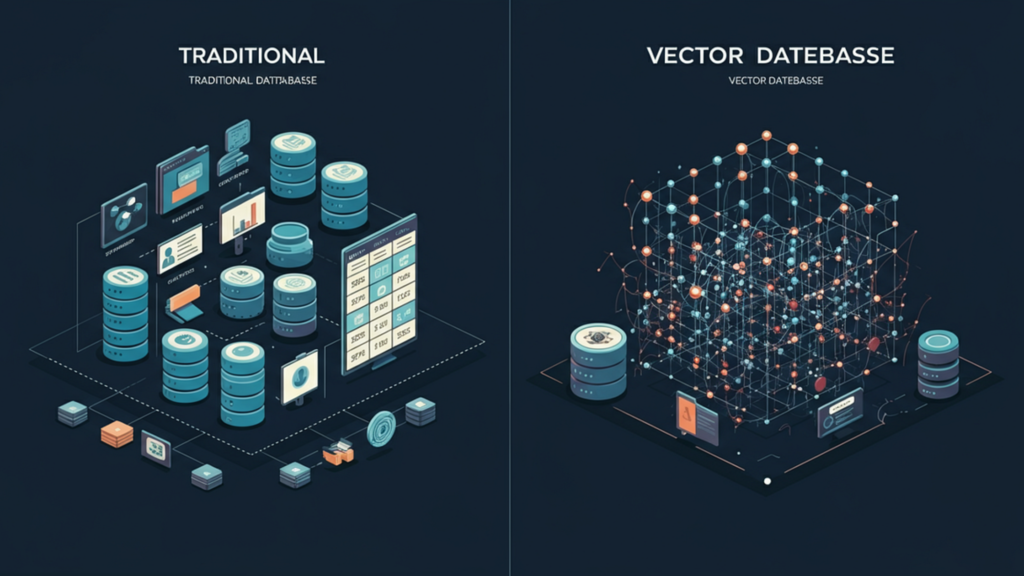
How Vector Databases Power Modern AI Search and Retrieval Systems

Artificial intelligence is transforming how businesses access, organize, and use information. From AI chatbots and virtual assistants to enterprise search platforms and recommendation engines, organizations are increasingly relying on AI-powered systems to improve productivity and decision-making. However, the effectiveness of these systems depends heavily on their ability to retrieve accurate and relevant information quickly. Traditional

How Vector Databases Power Modern AI Search and Retrieval Systems Read More »